






What Is a Lyophilizer?


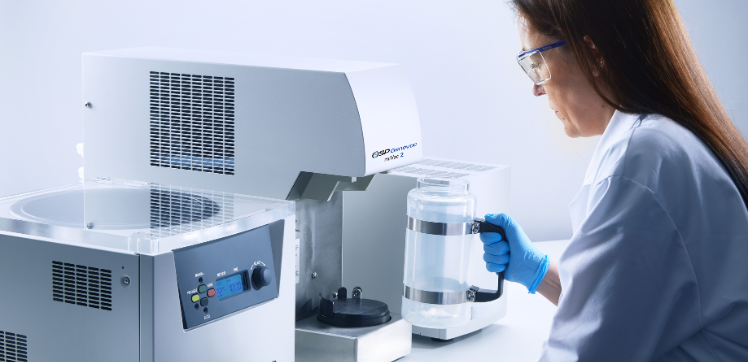
A lyophilizer is a piece of freeze-drying equipment that removes water from a product through a process called sublimation, where ice converts directly into vapor without passing through a liquid phase. Lyophilizer and freeze dryer are terms used interchangeably. Both refer to the same type of equipment.
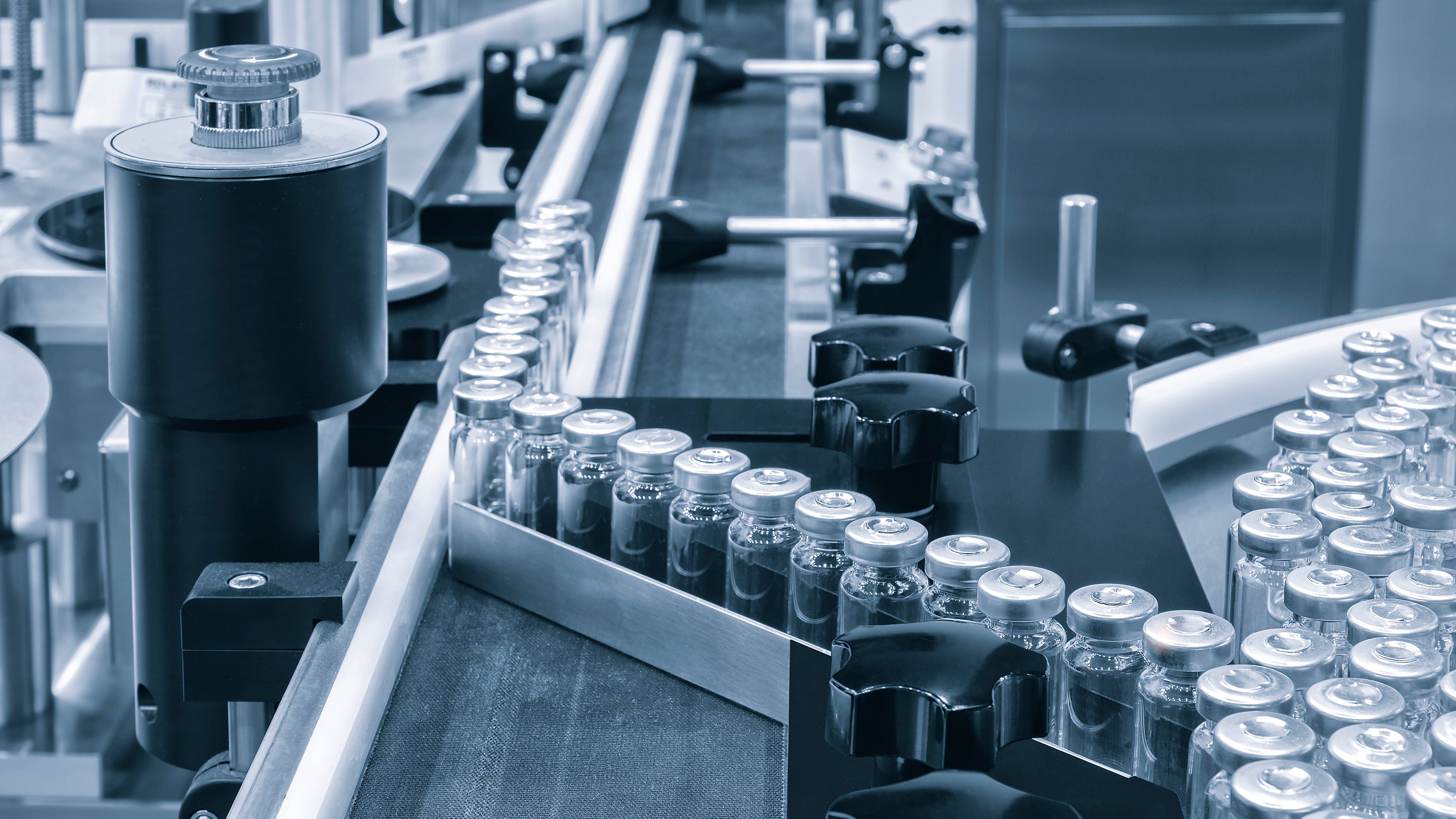
Lyophilizers are used across pharmaceutical manufacturing, biologics, diagnostics, food production, and research. What varies significantly between applications is the scale of the equipment, the level of process control required, and the regulatory environment the lyophilizer operates in.
How a Lyophilizer Works
The main components of freeze-drying equipment
Every lyophilizer has five main components:
- A refrigeration system
- A vacuum system
- A control system
- A product chamber with shelves or a manifold
- An ice condenser
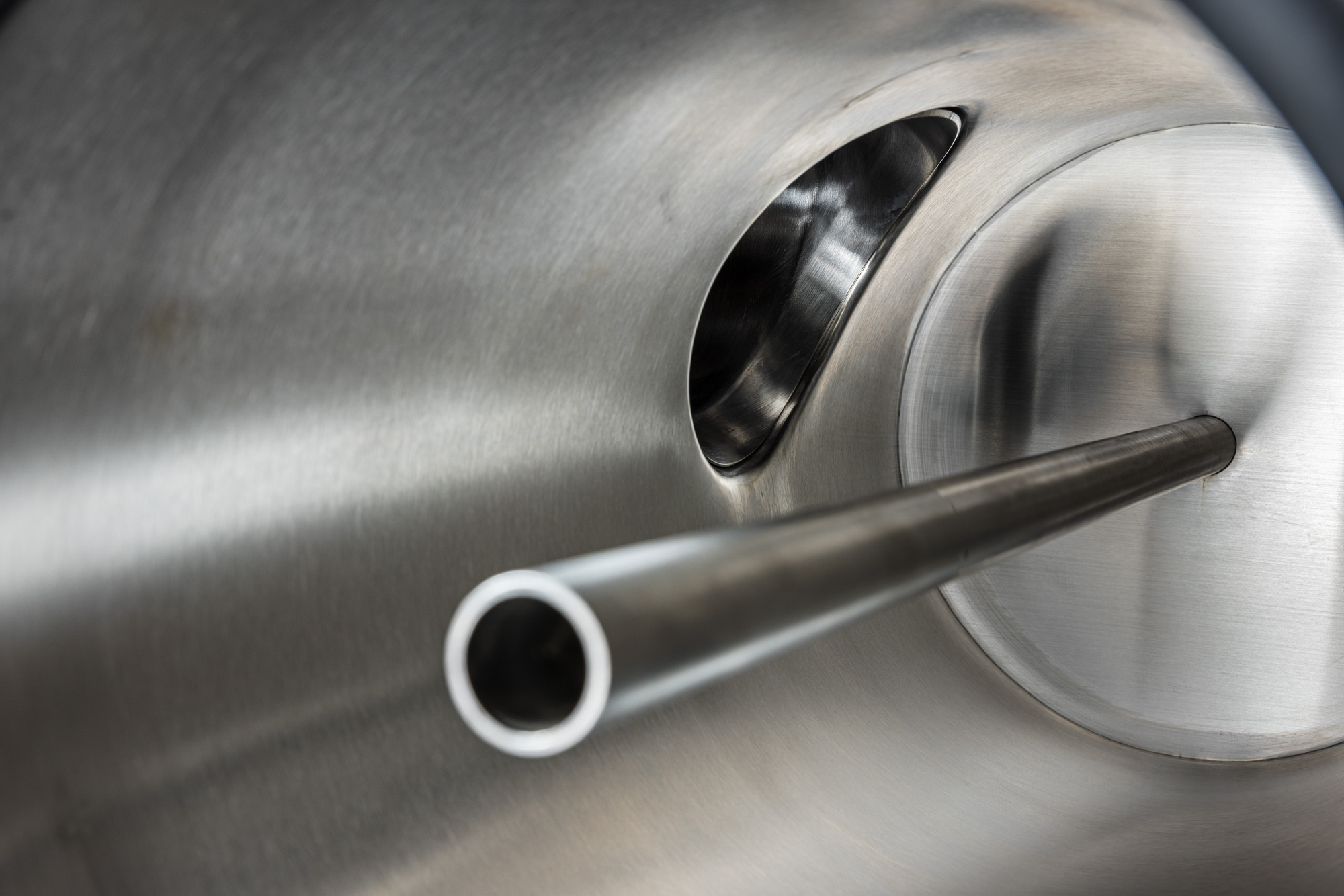
The refrigeration system cools both the shelves and the condenser. The vacuum system maintains the low-pressure environment required for sublimation. The condenser captures the water vapor produced during drying, protecting the vacuum pump from damage. The control system manages temperature, pressure, and timing across the entire cycle.
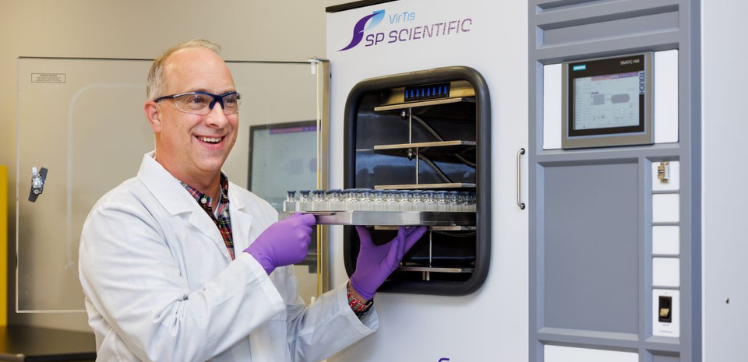
During a freeze-drying cycle, the product is frozen on temperature-controlled shelves, or in an external freezer for flask-based products, then the vacuum is applied, and heat is added to drive sublimation during primary drying. Water vapor then migrates from the product to the condenser, where it condenses. Primary drying is followed by secondary drying, where the shelf temperature is increased further to remove the residual bound water that sublimation alone cannot reach.
Types of Lyophilizers
Manifold freeze dryers, shelf freeze dryers, and production lyophilizers
Freeze dryers can be grouped by the type of product chamber they use and by their size and intended use. Understanding the difference matters for choosing the right lyophilizer for your application.
| Type | Best For | Key Characteristic | Example |
|---|---|---|---|
| manifold freeze dryer | small sample volumes, flasks, R&D | product is pre-frozen externally and attached to a manifold; limited process control | VirTis Freezemobile™ |
| benchtop shelf freeze dryer | laboratory research and development | temperature-controlled shelves allow freezing and drying inside the unit; better process control than a manifold dryer | VirTis AdVantage Pro Freeze Dryer |
| pilot lyophilizer | process development and scale-up studies | bridges lab and production; often used for both R&D and small-volume production | VirTis Genesis 30 Pilot Freeze Dryer |
| production lyophilizer | pharmaceutical and industrial manufacturing | large-scale, cleanroom-rated, with CIP/SIP capability and 21 CFR Part 11 compliance | Hull LyoConstellation® Small-Scale Aseptic Freeze Dryers |
How to Choose a Lyophilizer
What to consider before buying freeze-drying equipment
Choosing a lyophilizer depends on the product characteristics and a range of application-based variables. These include the container the product will be dried in, the shelf area or number of ports required to accommodate the batch size, the total volume of ice to be condensed per cycle, and whether any organic solvents are involved. The type and shape of the product and its end-use also need to be considered.
For labs developing a process they intend to scale-up to a production lyophilizer, it’s worth choosing a pilot unit whose heat transfer characteristics and condenser design approximate the target production unit as closely as possible. The closer the match between development and production equipment, the more predictable the scale-up will be.
For research applications where regulatory compliance isn’t a factor, the main considerations are condenser capacity, shelf temperature range, and whether the freeze dryer supports the cycle development tools your work requires.
Frequently Asked Questions
Common questions about lyophilizers and freeze-drying equipment
What is the difference between a lyophilizer and a freeze dryer?
There is no difference. Lyophilizer and freeze dryer refer to the same piece of equipment. Lyophilizer is the term more commonly used in pharmaceutical manufacturing; freeze dryer is used more broadly across industries.
What are the main components of a lyophilizer?
A lyophilizer has five main components: a refrigeration system, a vacuum system, a control system, a product chamber with shelves or a manifold, and an ice condenser that captures water vapor produced during drying.
What is the difference between a manifold freeze dryer and a shelf freeze dryer?
A manifold freeze dryer, used with flasks (or vials and test tubes placed inside flasks), requires the product to be pre-frozen externally and attached to a manifold for drying. A shelf freeze dryer, used with vials, bulk trays, microplates, and bulk bags, freezes and dries the product on temperature-controlled shelves inside the unit, offering more precise process control.
What size lyophilizer do I need?
The right size depends on your batch volume, the container type, and whether you’re developing a process or running production. Key considerations include the shelf area required, the total volume of ice to be condensed per cycle, and whether the unit needs to approximate a target production lyophilizer for scale-up purposes.
Does SP offer freeze-drying training or resources?
Yes. SP offers Remote Freeze-Drying Training and Hands-On Training Opportunities for operators at any stage of their freeze-drying journey. For a deeper technical foundation, the Basic Principles of Freeze-Drying white paper covers the full lyophilization process in detail, including equipment, cycle development, and scale-up considerations.
Read the Full Paper
The complete Basic Principles of Freeze-Drying white paper covers the lyophilization process in detail, including equipment, cycle development, and scale-up considerations.