




What Is Freeze-Drying?

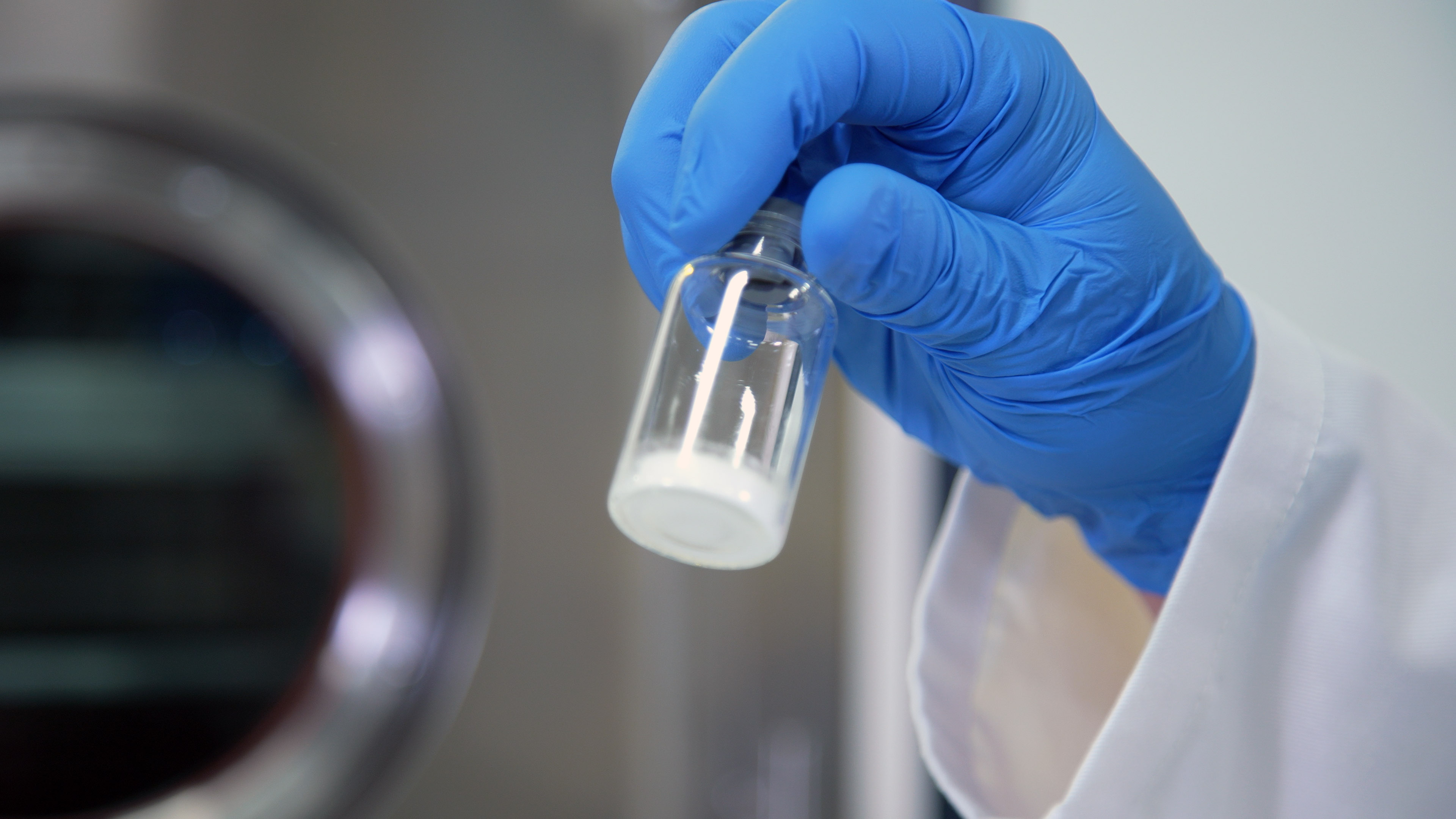
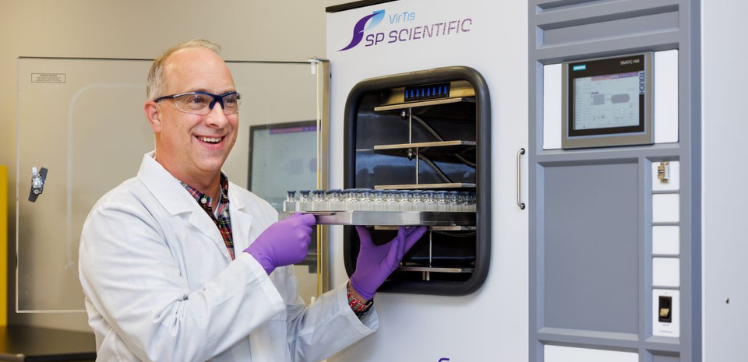
Freeze-drying, also known as lyophilization, is the removal of ice or other frozen solvents from a material through sublimation, and the removal of bound water molecules through desorption. In plain terms: the product is frozen, placed under vacuum, and then gently heated so the ice turns directly to vapor, bypassing the liquid phase entirely in a process known as sublimation. What’s left behind is a dry, stable material that can be stored at room temperature and reconstituted later.
The Freeze-Drying Process
Freezing, primary drying, secondary drying
The freeze-drying process has three distinct stages:
- The product is completely frozen before vacuum is applied.
- Primary drying begins. The product is placed under a deep vacuum, and heat energy is added to the shelves, causing the ice to sublime. The water vapor produced is captured by the condenser.
- Secondary drying raises the shelf temperature further to remove the residual bound water that sublimation alone cannot reach.
At the end of primary drying, the product appears dry, but moisture content is still typically in the 5-10% range. Secondary drying brings this down to the 0.5-3% range required for long-term storage stability.
Why Use Freeze-Drying
Stability for heat-sensitive materials
Conventional drying methods use heat, which damages or destroys many biological and pharmaceutical materials. Freeze-drying removes water at low temperatures, maintaining the structure, potency, and activity of the product. It’s an excellent method for preserving a wide variety of heat-sensitive materials, including proteins, microbes, pharmaceuticals, tissues, and plasma.
Beyond stability, freeze dried products reconstitute quickly and completely, which makes them practical for applications where the product needs to be returned to its original state before use (injectable drugs being the most common example). Successful freeze-drying yields a product with a short reconstitution time and acceptable potency levels.
no refrigeration needed
stable storage at room temperature after freeze-drying
heat-safe
proteins, biologics, and vaccines preserved without damage
fully reconstitutable
add water and the product returns to its original state
Freeze-Drying vs. Other Drying Methods
What makes freeze-drying different
The defining characteristic of freeze-drying is that water is removed as vapor directly from its frozen state without passing through a liquid phase. This matters because liquid water, combined with heat, is what damages most biological materials during conventional drying. Freeze-drying, therefore, avoids both the liquid phase and elevated temperatures, which is why it’s the preservation method of choice for products that conventional drying would destroy.
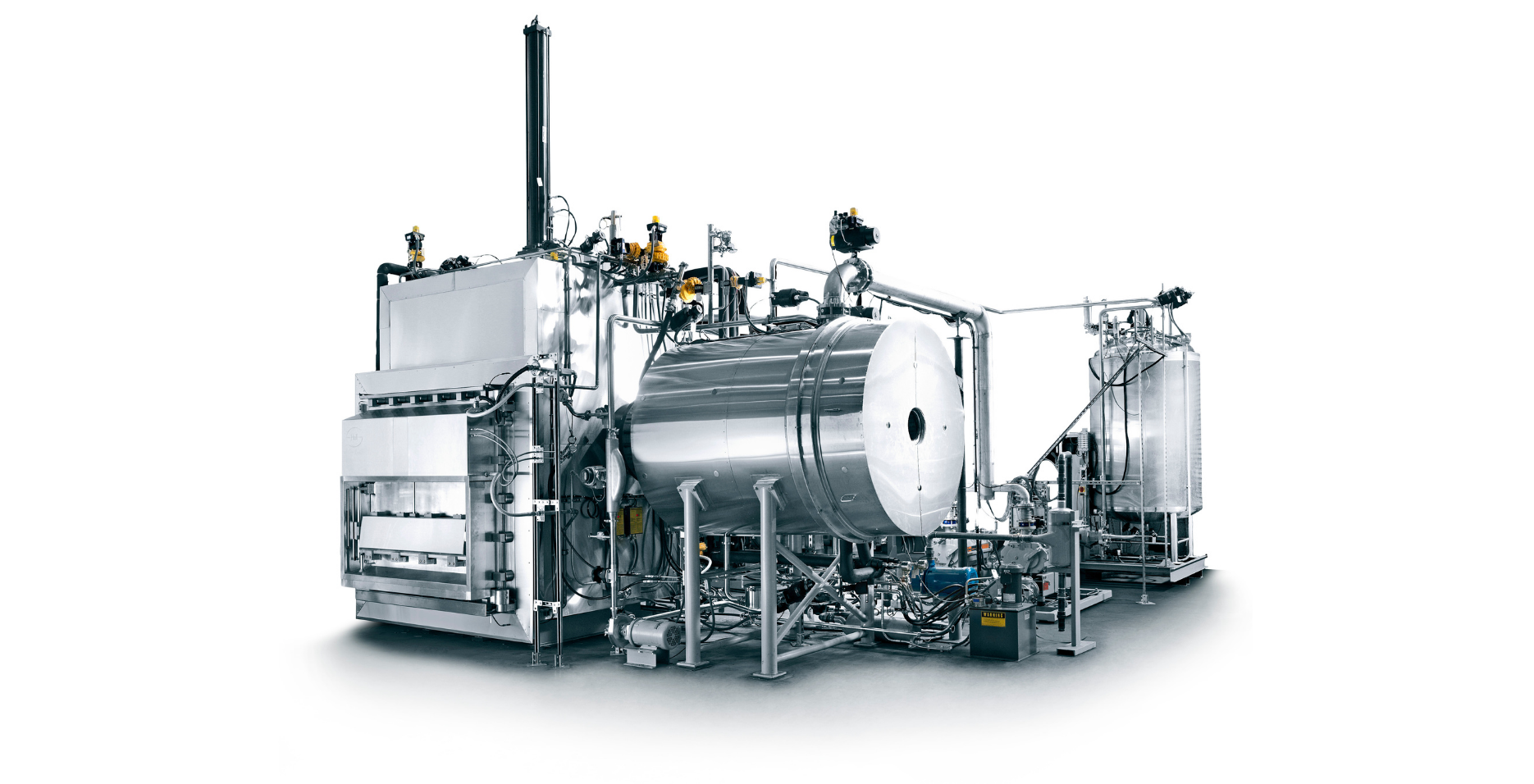
The tradeoff, however, is time and cost. Freeze-drying is a multi-day process that requires specialized equipment — a freeze dryer — and careful process development for each product. But, for materials where long-term stability at room temperature is required and the product cannot tolerate heat, there is no better alternative.
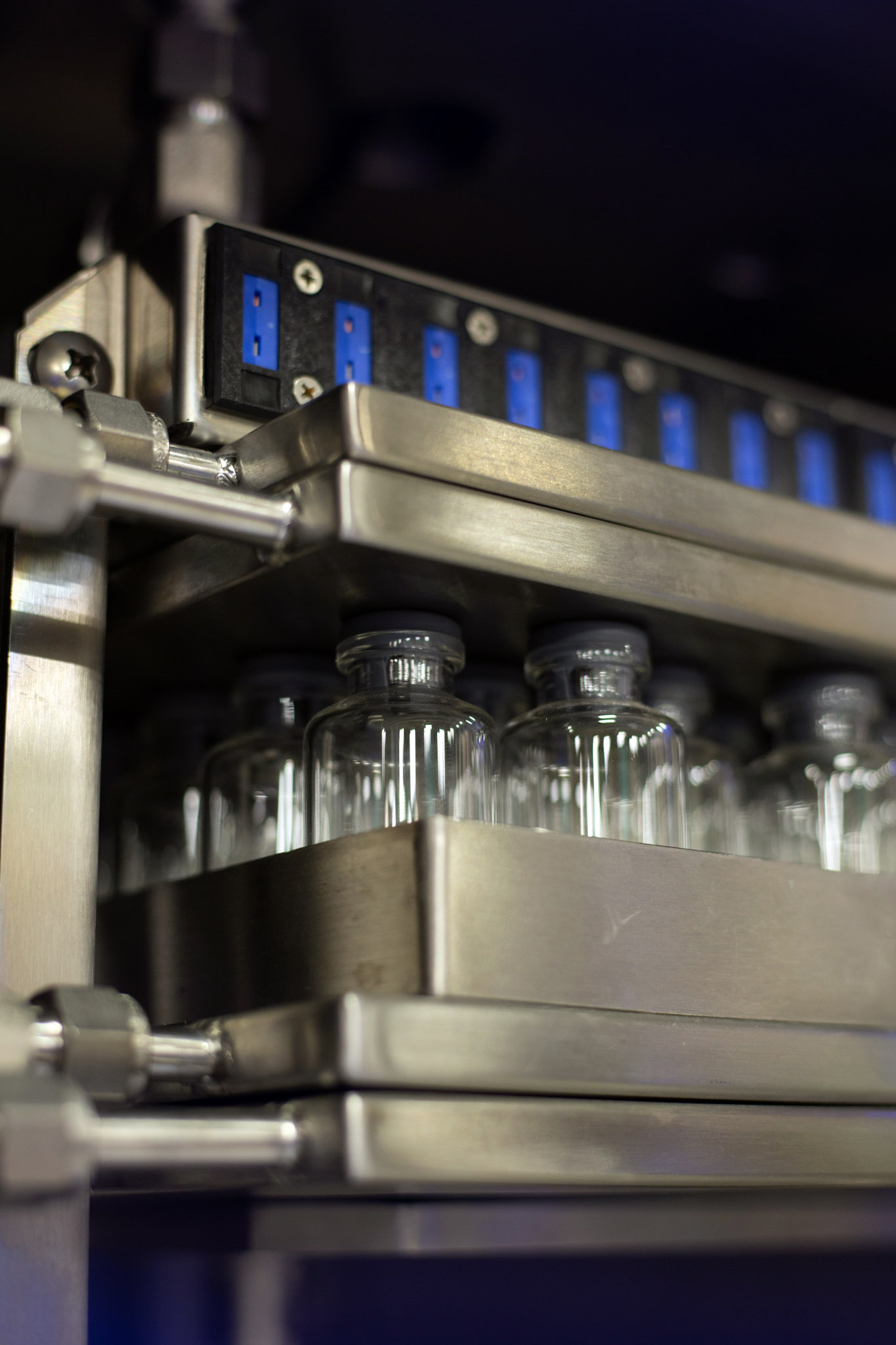
Where Freeze-Drying Is Used
Pharmaceuticals, biologics, diagnostics, and research
Freeze-drying is used across a wide range of industries and applications.
In pharmaceutical manufacturing, for example, it’s the standard preparation method for injectable biologics and drugs requiring long shelf life, as well as vaccines and antibiotics sensitive to heat or moisture. In diagnostics, lyophilized reagents can be stored and shipped at room temperature, eliminating cold chain requirements entirely. In research, freeze-drying preserves proteins, microbes, tissues, and plasma that would otherwise degrade. And in food production, it’s the preferred drying method where conventional heat drying would compromise flavor, structure, or nutrition.
Frequently Asked Questions
Common questions about freeze-drying
Is freeze-drying the same as lyophilization?
Yes. Freeze-drying and lyophilization refer to the same sublimation process. Lyophilization is the technical term used in pharmaceutical and scientific contexts; freeze-drying is more commonly used in general and food industry contexts.
How long does freeze-drying take?
Most freeze-drying cycles take between one and several days, depending on the product, its fill volume, and how the cycle is optimized. Primary drying is typically the longest stage.
What products are freeze dried?
Freeze-drying is used for pharmaceuticals, biologics, vaccines, diagnostic reagents, proteins, microbes, tissues, plasma, and certain food products where long-term stability without refrigeration is required.
What is the difference between freeze-drying and conventional drying?
Conventional drying uses heat to evaporate water, which damages many biological and pharmaceutical materials. Freeze-drying removes water at low temperatures through sublimation, preserving the product’s structure, potency, and biological activity.
Does SP offer freeze-drying training or resources?
Yes. SP offers Remote Freeze-Drying Training and Hands-On Training Opportunities for operators at any stage of their freeze-drying journey. For a deeper technical foundation, the Basic Principles of Freeze-Drying white paper covers the full lyophilization process in detail, including equipment, cycle development, and scale-up considerations.
Read the Full Paper
The complete Basic Principles of Freeze-Drying white paper covers the lyophilization process in detail, including equipment, cycle development, and scale-up considerations.