

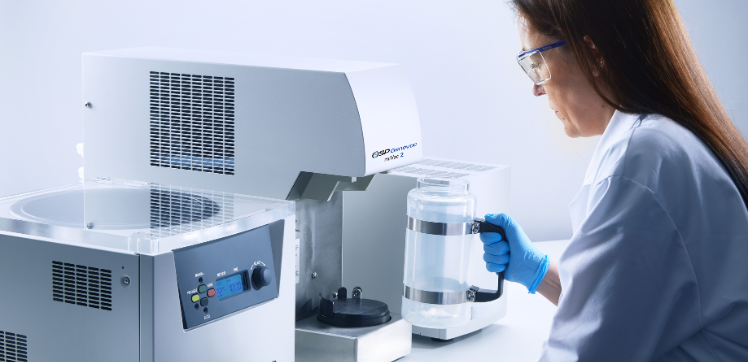


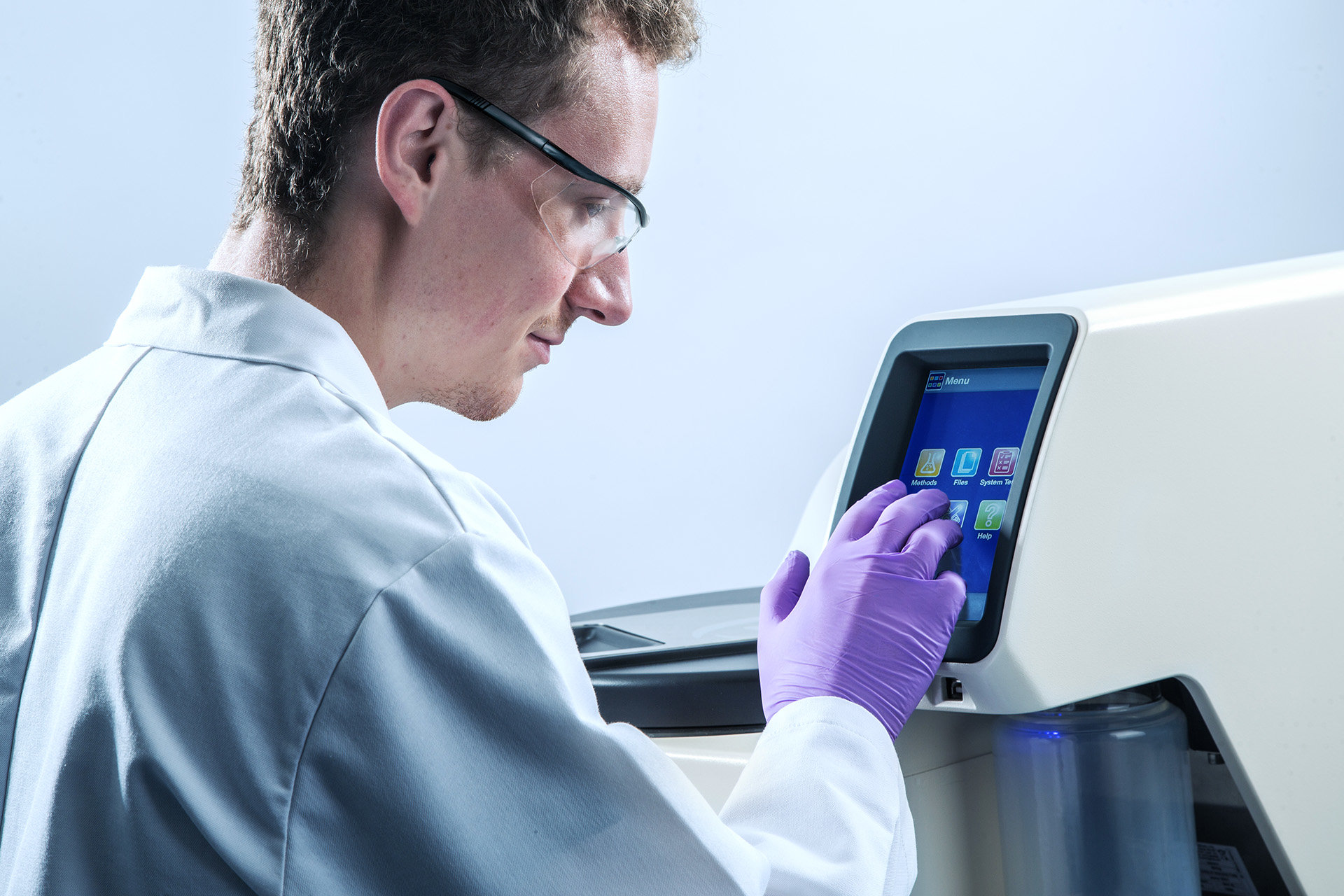


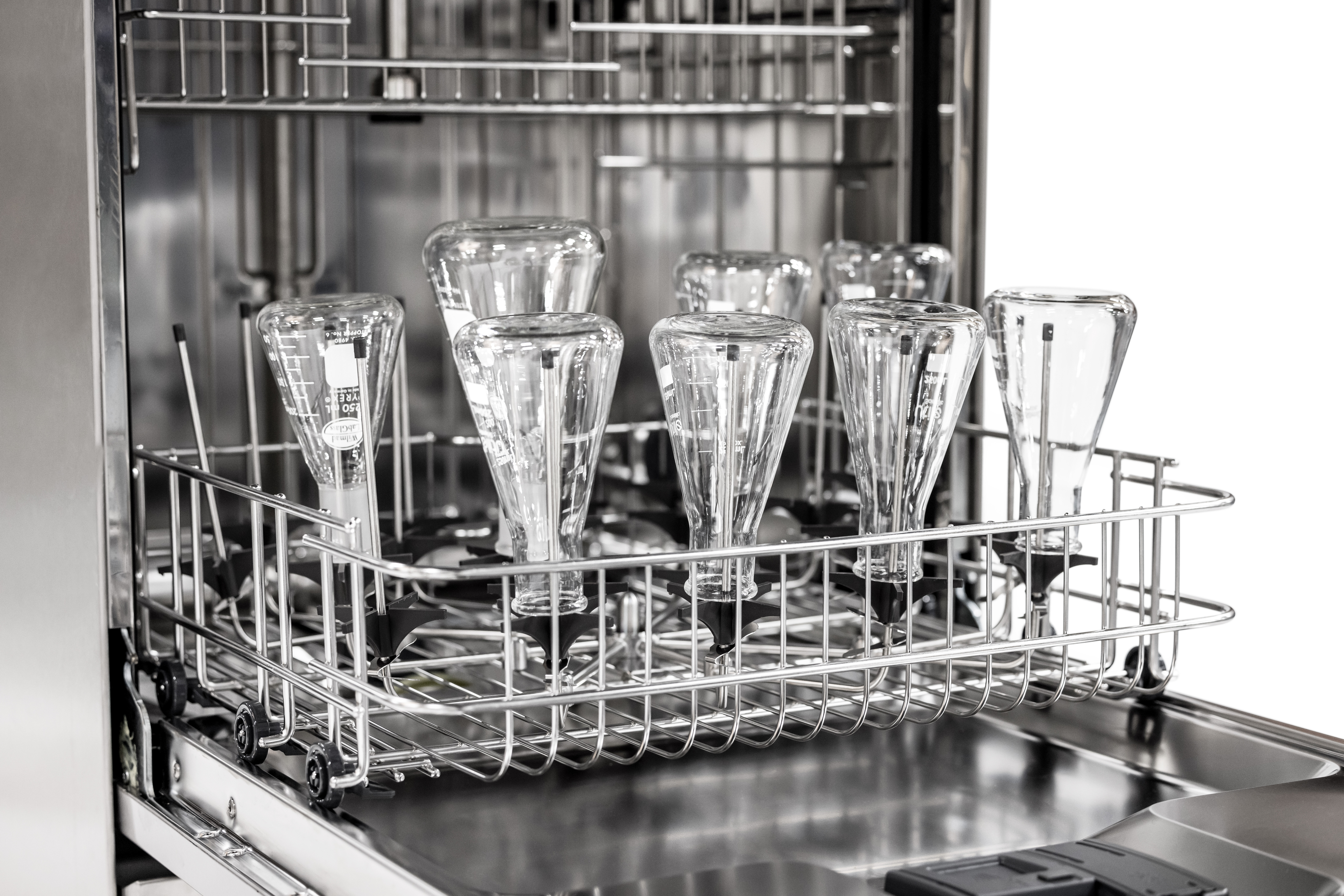
The Hotpack IonWash™ laboratory glassware washer line covers a range of lab configurations, from compact undercounter and mobile units to vertically stacked double-capacity systems. Choosing the right one comes down to four questions: how much capacity you need, where the unit will be installed, what kind of glassware you’re washing, and what your incoming DI water pressure is.
Question 1
How much capacity do you need?
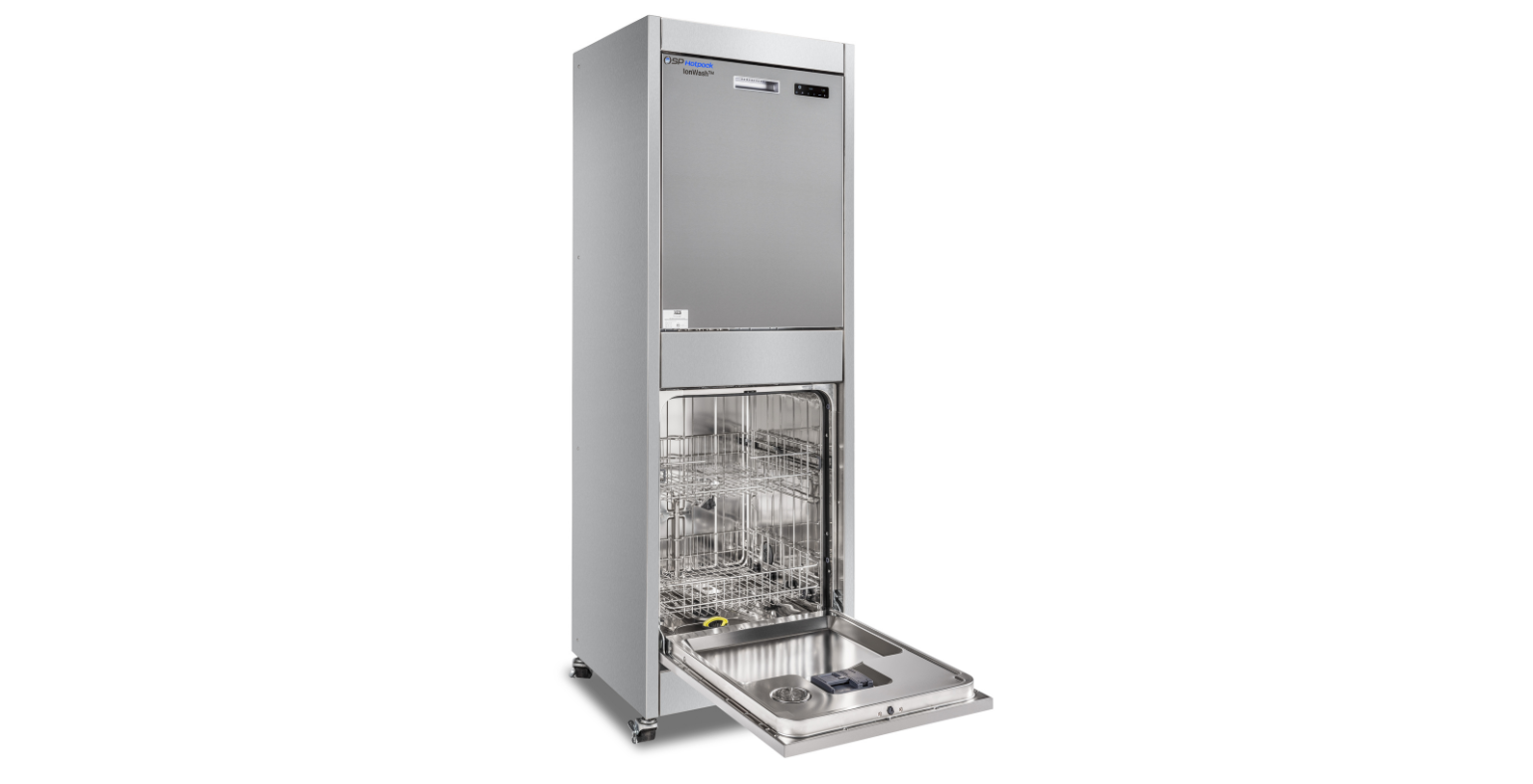
Single-unit washers offer 6 ft³ of chamber volume. If that’s sufficient, move to Question 2. If you need more volume, the Vertical SpaceSaver™ stacks two independent washers in a single stainless steel housing, doubling capacity to 12 ft³. Both chambers operate independently, so you can run different cycles simultaneously.
If you’ve chosen a SpaceSaver, skip to Question 3 — the SpaceSaver doesn’t have an undercounter option, so form factor isn’t a consideration. But keep in mind that the SpaceSaver has two independent chambers: Questions 3 and 4 will determine how the bottom unit is configured. Importantly, the top unit must match the bottom unit’s DI rinse setup, but it doesn’t need to be Spindle Rack Ready.
Question 2
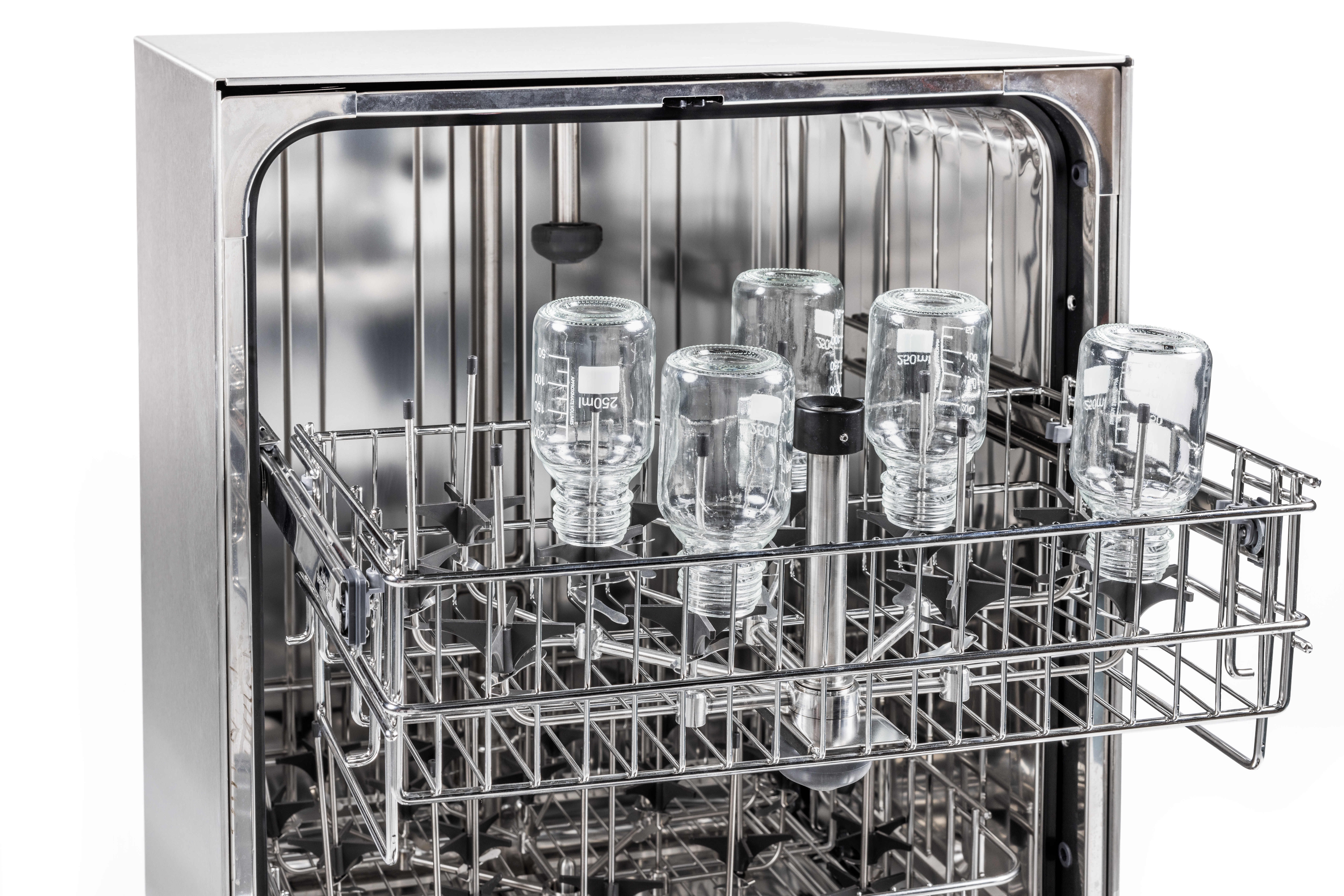
Do you need to fit under a counter?
If yes, you’re in the undercounter range. If not, mobile units give you more flexibility in placement. Both ranges offer the same DI rinse and Spindle Rack Ready configuration, so the remaining questions apply regardless of form factor.
Question 3
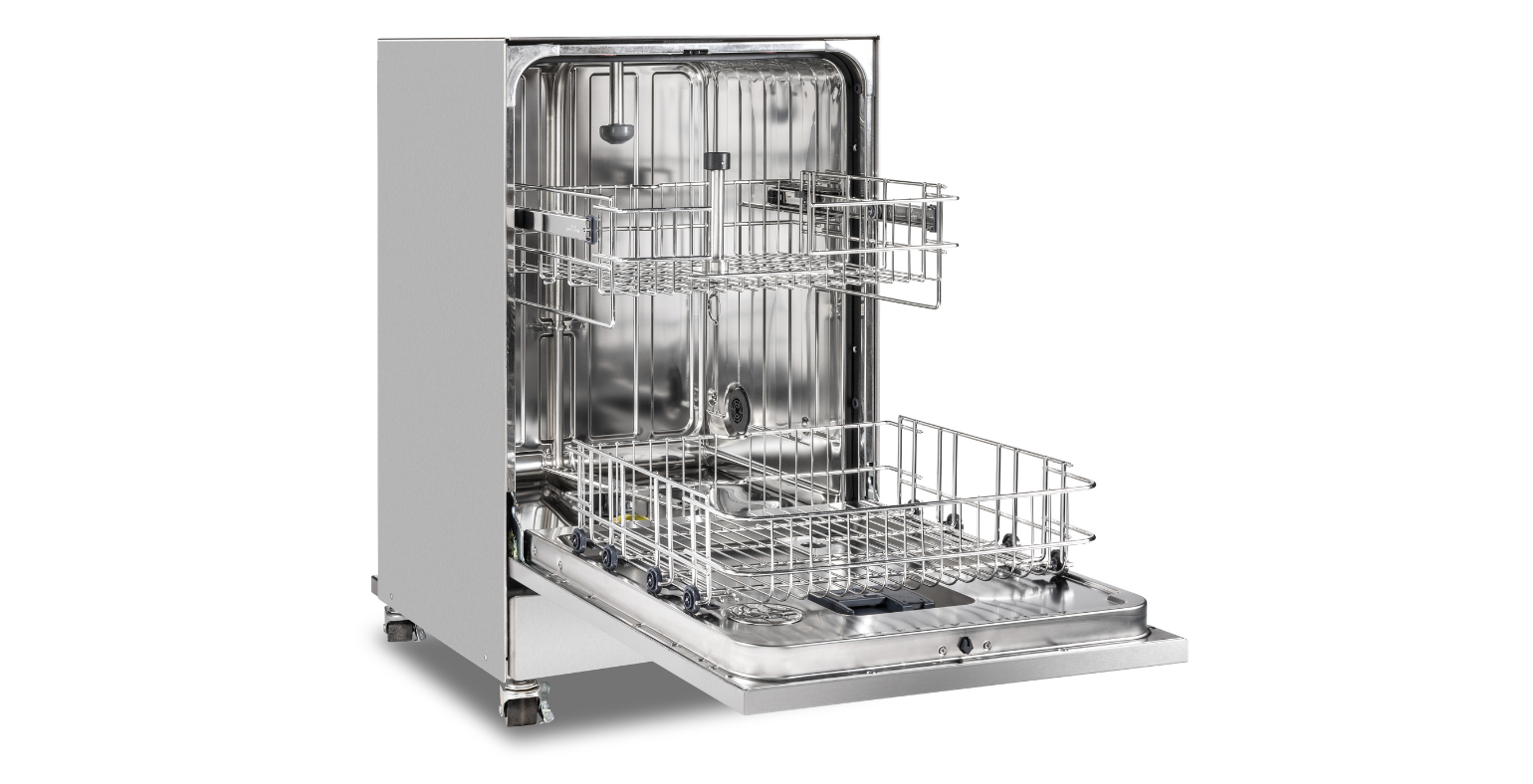
Do you wash narrow-neck glassware?
If you wash narrow-neck glassware — volumetric flasks, Erlenmeyer flasks, and similar — you need a Spindle Rack Ready washer. If not, a standard unit will do. Importantly, spindle racks are sold separately, but the washer must be configured to support them as you can’t add spindle rack capability to a standard unit after the fact.
Question 4
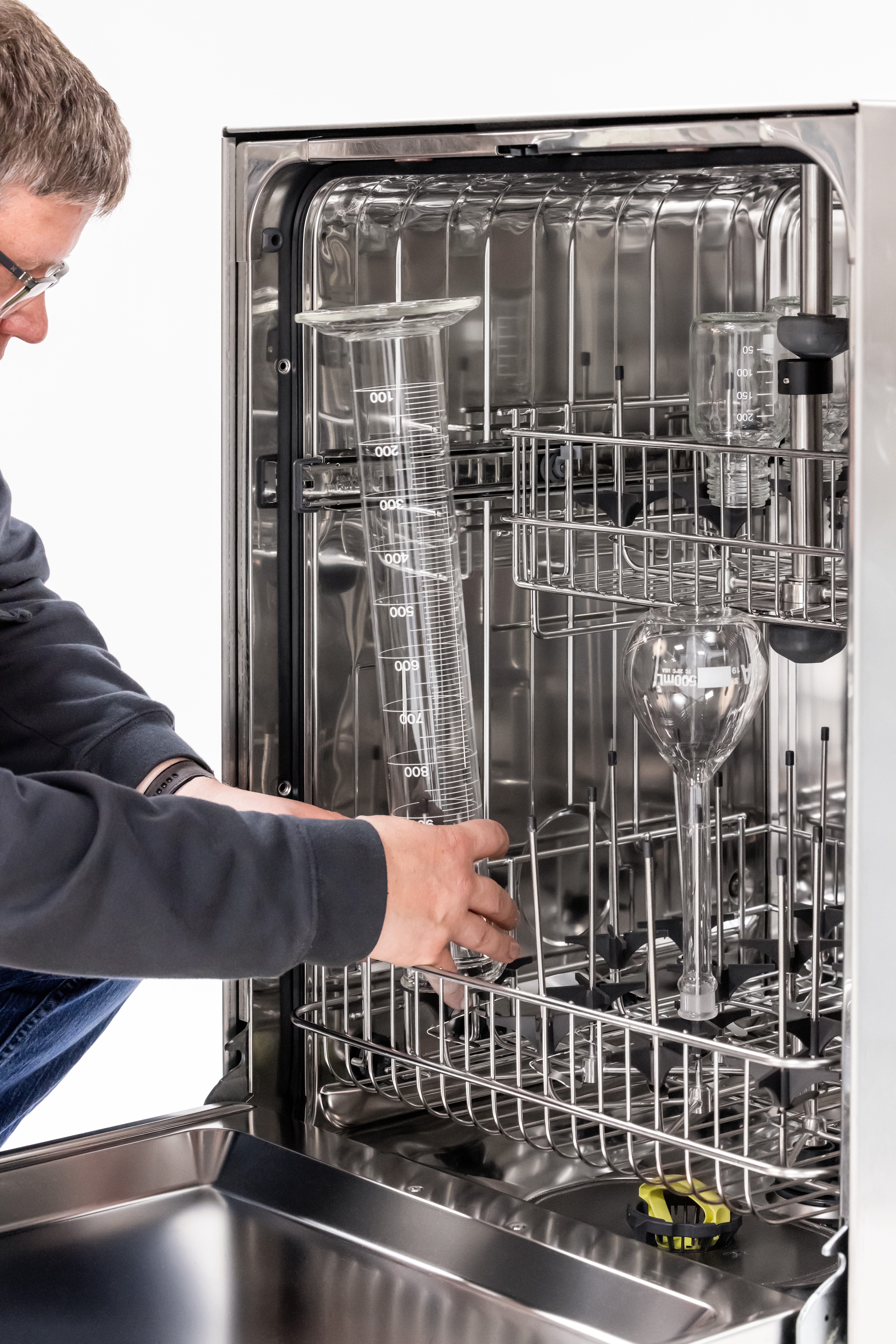
What is your incoming DI water pressure?
All DI rinse models require a minimum incoming pressure of 18 psi. If your supply meets that, you’re good. If your pressure is below 18 psi, however, you’ll need to add a Booster Pump to whichever washer you’ve selected. If you don’t need a DI rinse at all, certain undercounter and mobile models are standard tap water washers with no DI rinse requirement.
Browse the Full Range
View specs, dimensions, and configuration options for all Hotpack IonWash™ laboratory glassware washer models.