




Is Your DNA Sample Prep Method Costing You Data?

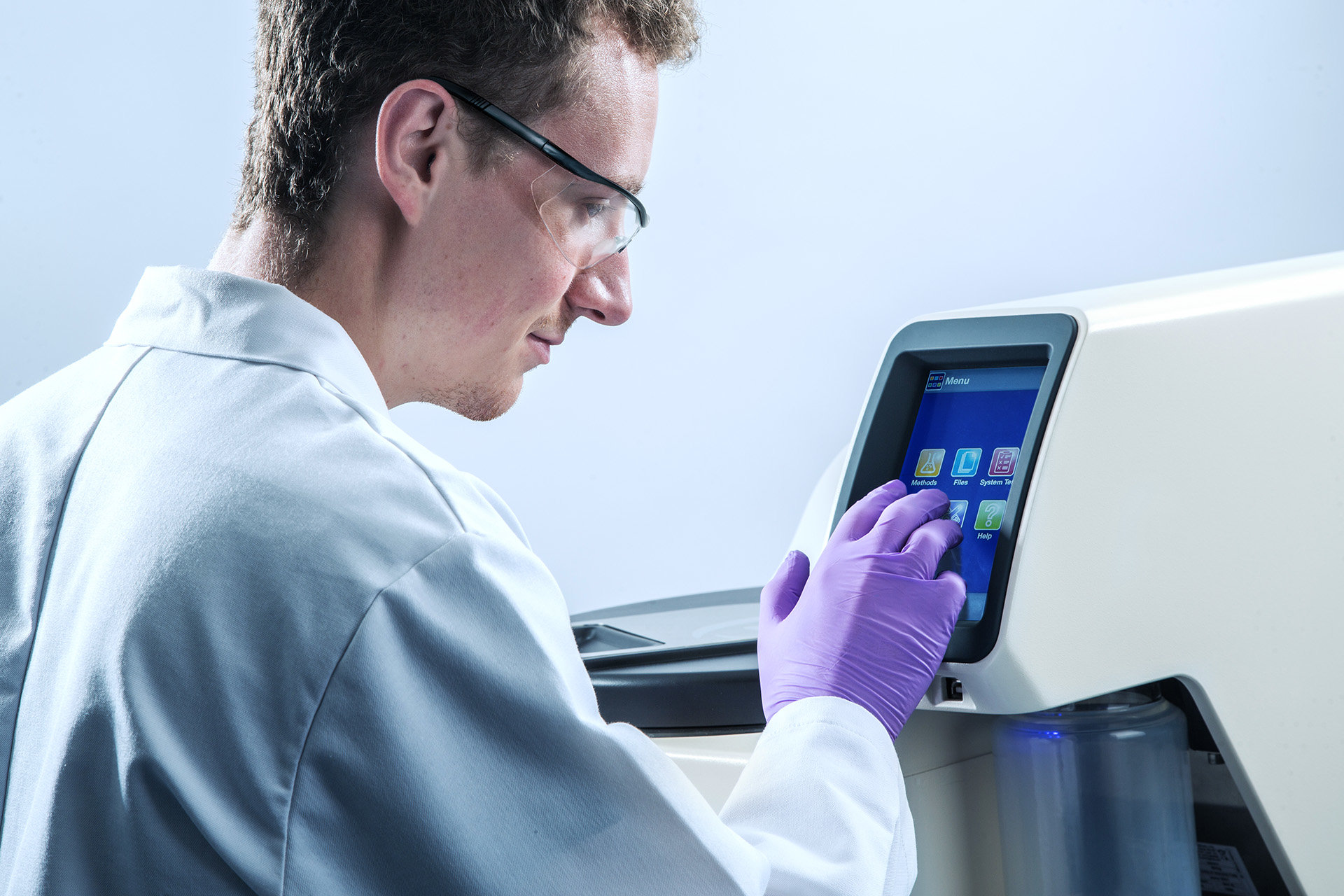
Sample preparation is rarely where labs expect to find their problems, but for two teams at the Wellcome Trust Centre for Human Genetics (WTCHG) at the University of Oxford — one running microarray production and one doing SNP genotyping — that’s exactly where they were hiding.
Their concentration methods had low throughput, extended drying times, and introduced two distinct risks: the Microarray team’s slow concentrator forced samples into repeated freeze-thaw cycles, and the SNP team was losing data to multi-day open-air drying. Both are known to degrade sample quality.
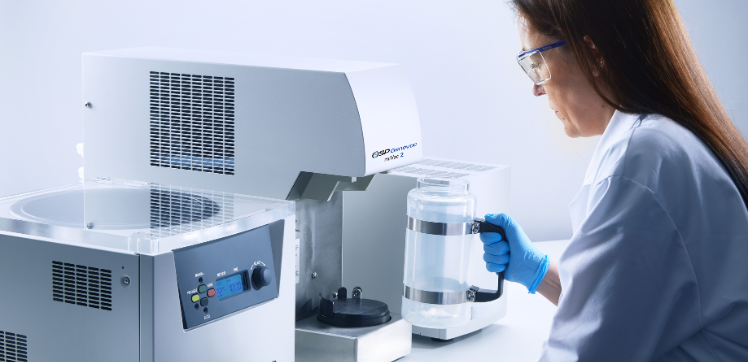
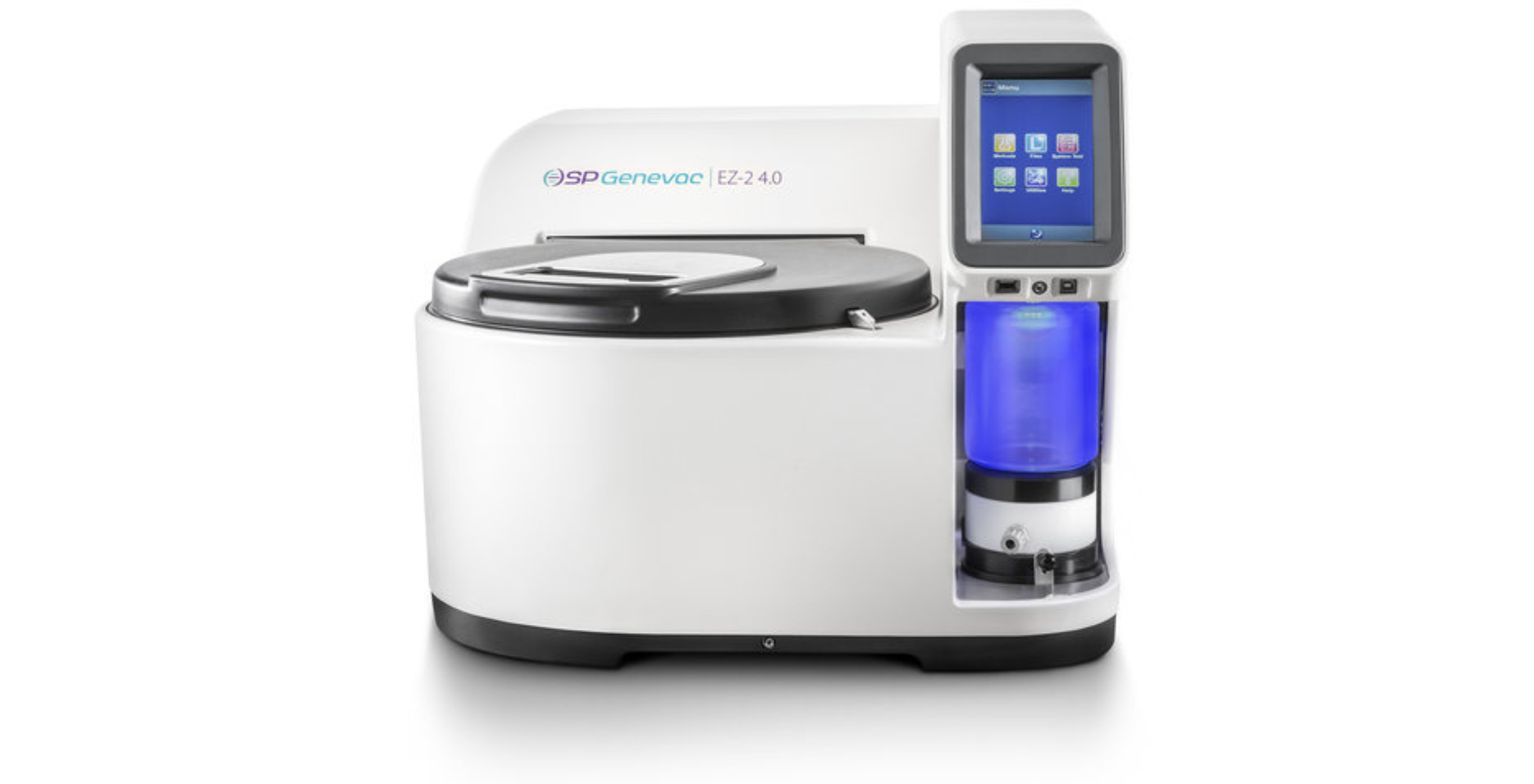
WTCHG needed a higher-throughput solution to eliminate their bottleneck and remove both risks. The Genevac EZ-2 4.0 Series centrifugal evaporator did exactly that.
The Problem It Solved
Thirty-plus plates and a two-week backlog
WTCHG’s Microarray team runs a high-throughput custom microarray platform studying mouse and rat gene expression. Their process requires preparing oligo-printed slides from 70mer oligonucleotides stored across more than 30 384-well plates. After each printing run, water evaporates from the phosphate buffer, leaving oligos at an unknown concentration. To ensure consistency, the team dried the plates completely between runs and resuspended the oligos to a known concentration when needed.
Their previous vacuum concentrator processed only two plates per run and required up to three hours per cycle, meaning processing more than 30 plates took approximately two weeks. In an attempt to preserve samples during the two-week wait, WTCHG froze backlogged plates at -18 °C. Freeze-thaw cycling, however, is well documented as detrimental to oligonucleotide quality, meaning the workaround WTCHG had taken to preserve their samples was instead introducing the avoidable risk of degradation.
What the Genevac EZ-2 Delivered
Eight plates per run. Drying complete in one hour.
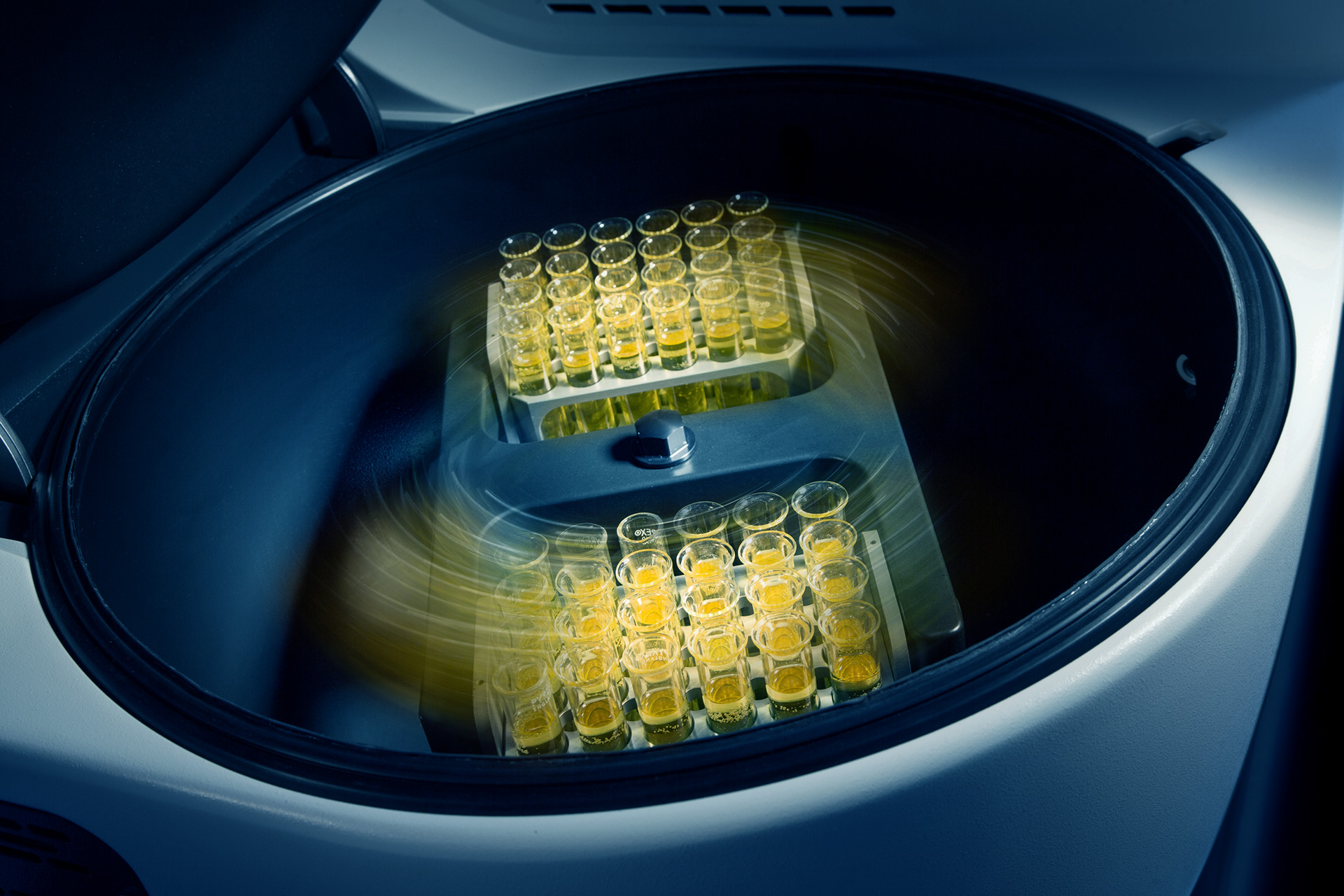
In search of a higher-throughput option, WTCHG selected the Genevac EZ-2 4.0 centrifugal evaporator, which handles eight 384-well plates per run and completes drying in just over an hour, reducing a two-week process to a single day.
But the throughput gain isn’t the most important part.
Because the EZ-2 keeps pace with the workload, samples no longer require interim frozen storage. Plates can instead be refrigerated, eliminating the freeze-thaw risk entirely. As a result, WTCHG researchers report greater confidence in their oligo quality since making the switch, and that confidence is backed by downstream data.
4x
plate capacity per run vs. the previous concentrator
~1 hr
to dry a full batch of eight x 384-well plates
0
interim freeze-thaw cycles needed in workflow
The Data
SNP genotyping: reducing no-call rates through controlled sample concentration
A second team at WTCHG studies heritable disease through Single-Nucleotide Polymorphism (SNP) analysis, which analyzes single base pair variations in the DNA sequence to identify potential disease risk, track genetic traits, and guide personalized medicine recommendations. Their Sequenom MassARRAY® workflow uses just 5μl of sample containing as little as 2.5ng of DNA. At those volumes, sample quality has a direct and measurable impact on results.
Previously, samples were concentrated by air-drying over several days. The team compared identical samples dried by air with those concentrated on the EZ-2, then analyzed both sets using the MassEXTEND reaction.
The difference was substantial: nearly 60% of wells produced no usable data (“no calls”) after air-drying. With the EZ-2, that no call rates dropped to under 2%.
| Metrics | Air-Drying | Genevac EZ-2 |
|---|---|---|
| assay 1 — no calls (no usable data) | 59.64% | 1.82% |
| assay 2 — no calls (no usable data) | 45.57% | 11.72% |
| contamination risk | higher (multi-day open exposure) | minimal (sealed) |
| time to concentrate | multiple days | just over 1 hour |
Who This Is Relevant For
Where the EZ-2 fits in your workflow
While the WTCHG findings are specific to oligonucleotides and SNP genotyping, the underlying problem is broader. Any lab working with sensitive nucleic acid samples at scale is vulnerable to concentration methods that introduce variability, contamination, or degradation. The EZ-2 is worth considering for labs that are:
- Running high-throughput oligonucleotide or DNA concentration for microarray production
- Preparing samples for SNP genotyping at low volumes and concentrations
- Relying on freeze-thaw cycles as a workaround for slow concentration throughput
- Processing 384-well plates where multi-day bottlenecks affect downstream timelines
- Concerned about contamination risk from prolonged open-air drying
If your concentration method requires freezing samples or multi-day drying, the variability in your results may be coming from sample prep, not the assay itself.
Frequently Asked Questions
Common questions about DNA and oligonucleotide sample preparation
How do freeze-thaw cycles affect DNA and oligonucleotide quality?
Repeated freeze-thaw cycles degrade oligonucleotides primarily through mechanical shearing and chemical bond breakage. The damage accumulates with each cycle, meaning samples that go through multiple freeze-thaw events before processing are at significantly higher risk of quality loss.
Is air-drying safe for DNA samples?
No. In high-throughput workflows at low volumes, air-drying exposes samples to open conditions over several days, increasing contamination risk and the time samples spend in potentially damaging conditions.
What causes high no calls (no usable data) rates in SNP genotyping?
No calls in SNP genotyping are often a sign of poor sample quality going into the assay. Concentration method is a significant variable; samples that are air-dried over several days or subjected to repeated freeze-thaw cycles are more likely to degrade before analysis, leading to low signal and unusable data.
What is the best way to concentrate oligonucleotides for high-throughput workflows?
Centrifugal evaporation is well suited to high-throughput oligonucleotide concentration, particularly for workflows involving large numbers of 384-well plates. It concentrates samples in about an hour, eliminates the need for interim freezing, and reduces contamination risk compared to open air-drying.
How do you store DNA plates between concentration runs?
Where throughput allows, storing plates at +4 °C is preferable to freezing at -18 °C. Fridge storage avoids the freeze-thaw cycles that accumulate when plates wait for a slow concentrator to free up, preserving sample integrity without the degradation risk that comes with repeated freezing and thawing.
Read the Full Paper
The complete WTCHG white paper, including sample quality visualizations and detailed MassARRAY® assay data, is available to download.