




Oligonucleotide samples are highly sensitive biological materials prone to degradation from adverse handling conditions, including repeated freeze-thaw cycles and prolonged air exposure. Researchers at the Wellcome Trust Centre for Human Genetics (WTCHG) faced this challenge across two distinct workflows — microarray production and SNP genotyping — where maintaining sample integrity was critical to obtaining reliable results.
The paper examines key bottlenecks in both processes:
- Microarray production and oligo plate management
- SNP genotyping and sample concentration requirements
- Limitations of conventional drying methods
- Evaporative concentration as a sample-safe alternative
The WTCHG microarray team worked with over thirty 384-well plates containing 70mer oligos, which required consistent, known concentrations between printing runs. Their existing vacuum concentrator handled only two plates at a time over three hours, forcing a two-week drying cycle and interim freezing at -18 °C: conditions known to degrade oligo quality. Meanwhile, their SNP genotyping team needed samples concentrated to just 5μl volumes containing as little as 2.5ng of material for use with the Sequenom MassARRAY® system, previously achieved through slow, contamination-prone air drying.
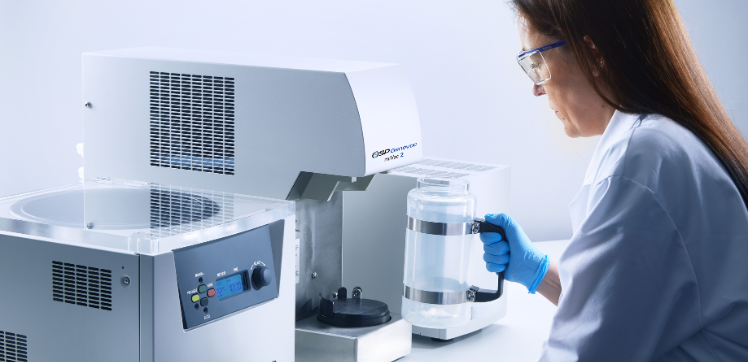
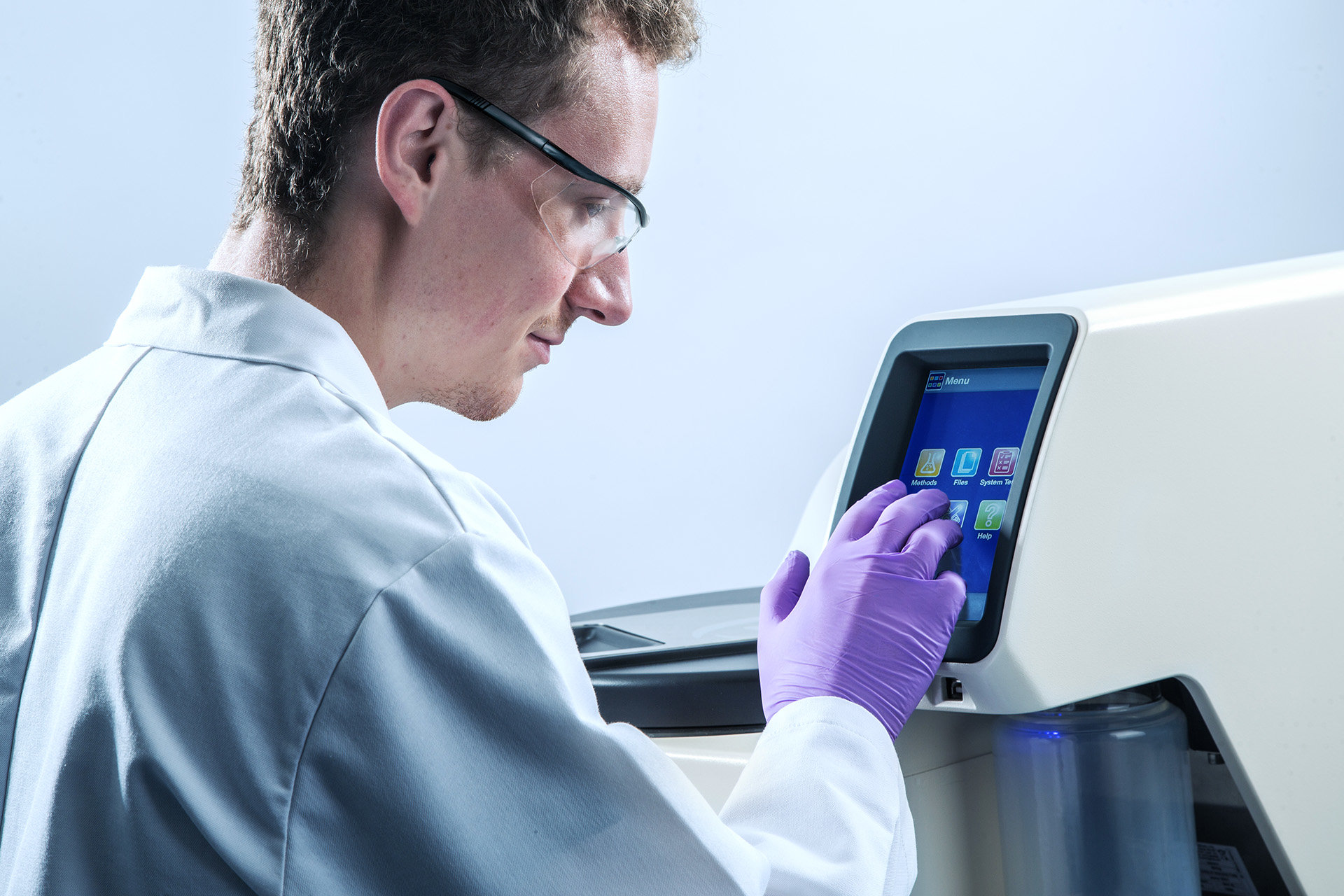
To address both workflows, WTCHG evaluated the Genevac EZ-2 4.0 centrifugal evaporator as a faster, gentler alternative, comparing its performance directly against their existing methods to determine whether modern centrifugal evaporation could preserve sample quality while meeting the throughput demands of high-density microarray and SNP genotyping production.