






Freeze-Drying Basics (Part Four): Designing the Freeze-Drying Cycle


In the previous article, the effects of containers, materials, and formulation on freeze-drying behavior were examined. These properties provide the foundation for designing a freeze-drying cycle based on temperature, pressure, and time.
Building a Freeze-Drying Recipe
Lyophilization in a shelf freeze dryer requires the design of a working process or cycle which is sometimes referred to as a “recipe.” Typically, there are multiple steps involved for both freezing and drying of the product. Individual temperature, pressure and time settings need to be determined for each step.
Each specific product or formulation that is lyophilized requires the development of a freeze-drying process that is based on the unique characteristics of the product, the amount of product and the container used. There is no universal “safe” recipe that will work with every product.
Freezing the Product
It is extremely important that the sample be fully and completely frozen prior to pulling a vacuum and starting the drying process. Unfrozen product may expand outside of the container when placed under a vacuum.
With simple manifold freeze dryers, the product is placed in a vial or flask depending on quantity, and then frozen in a separate piece of equipment. Options include standard laboratory freezers, shell baths and direct immersion in liquid nitrogen.
Shelf freeze dryers have cooling capability built into the product shelf which allows the product freezing to be accomplished inside the freeze dryer. Product is either pre-loaded into vials which are then transferred to the shelf, or it is loaded in bulk form directly onto a product tray.
Shelf freeze dryers allow the precise control of cooling rates which affects product freezing rates and crystal size. Larger ice crystals improve the speed of the freeze-drying process because of the larger vapor pathways left behind in the dried portion of the product as the ice crystals are sublimated.
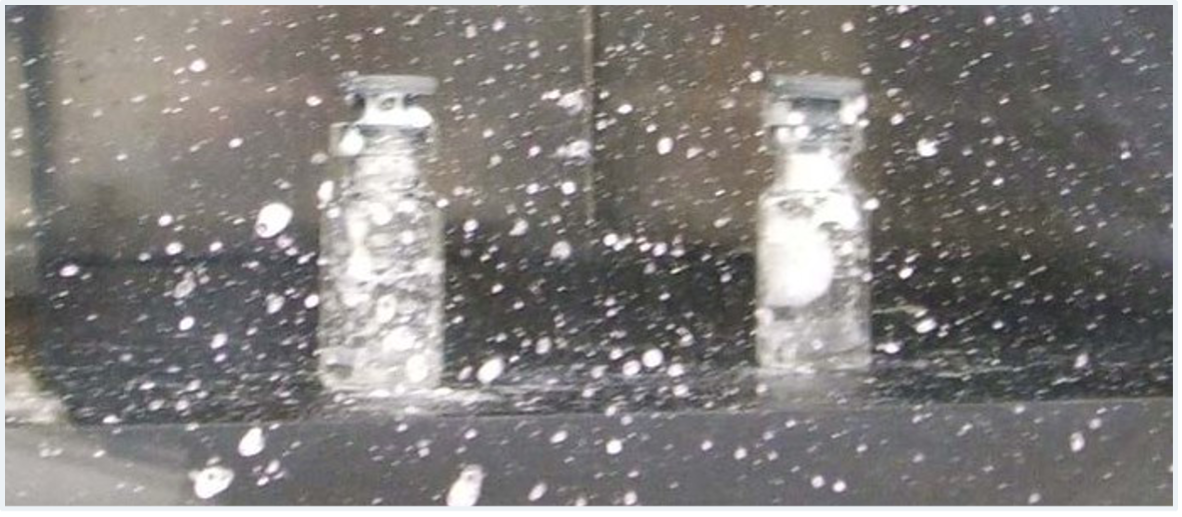
Slower shelf cooling rates do not necessarily yield larger ice crystals because of the effects of super-cooling. When the super-cooled liquid finally freezes, it happens extremely quickly, resulting in smaller ice crystals. In a clean room environment with very few particulates for ice nucleation, there is a significantly greater amount of super-cooling.
Newer technologies such as ControLyo® Nucleation are available to control ice crystal growth to minimize the effects of super-cooling and provide larger crystal sizes.
Understanding Eutectic / Collapse Temperature
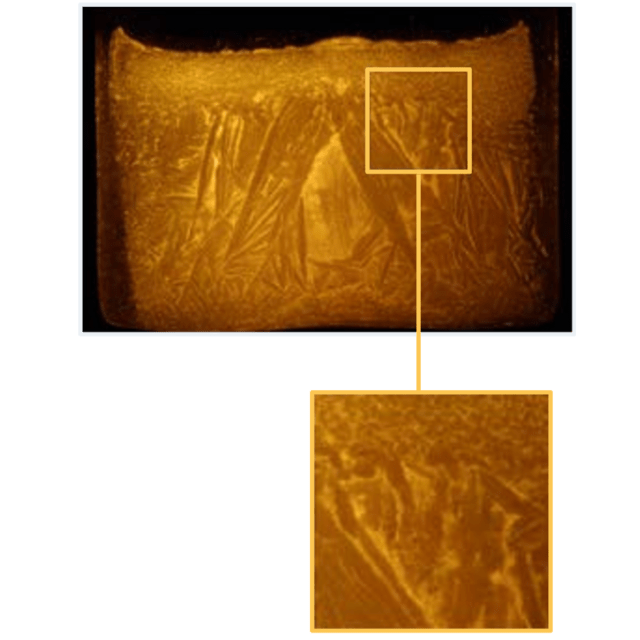
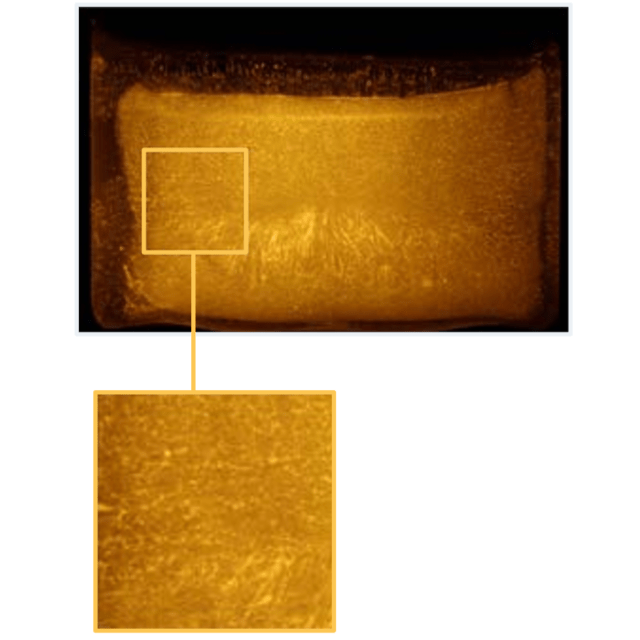
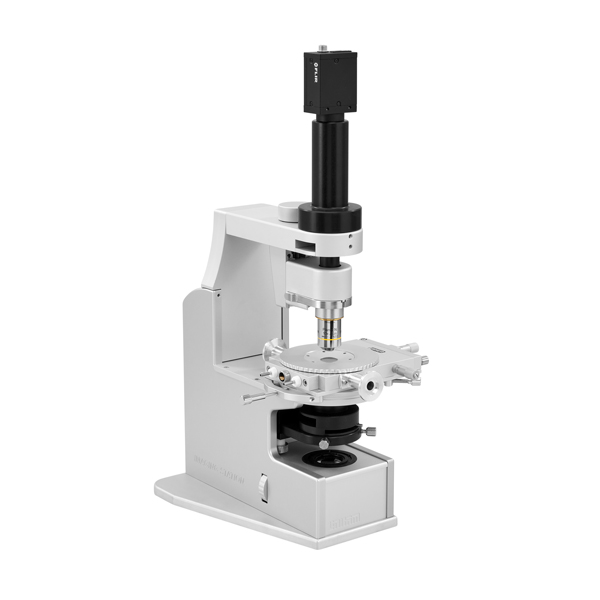
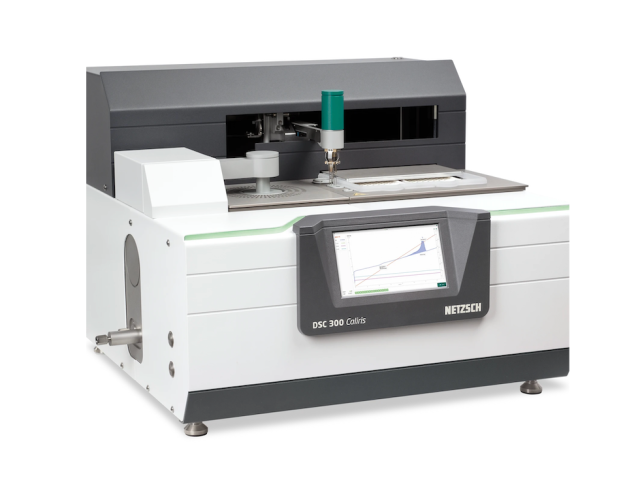
Determination of the critical collapse temperature of a product is an important step in establishing and optimizing a freeze-drying process. This critical temperature determines the maximum temperature that the product can withstand during primary drying without it melting or collapsing. Thermal analysis (Differential Scanning Calorimetry & Freeze Dry Microscopy) and Dielectric Resistance analysis and are common methods used to determine this critical temperature of the product.
Frozen products can be categorized as either crystalline or amorphous glass in structure. Crystalline products have a well-defined “eutectic” freezing/melting point that is its collapse temperature. Amorphous products have a corresponding “glass transition” temperature and they are much more difficult to freeze-dry. The collapse temperature of amorphous products is typically a few degrees warmer than its glass transition temperature. Although most materials that are freeze-dried are actually amorphous, the term “eutectic” is often used (erroneously) to describe the freezing/melting point of any product.
The US FDA Guide To Inspections Of Lyophilization Of Parenterals states that the manufacturer should know the eutectic point (critical collapse temperature) of the product. It is good practice to characterize the collapse temperature for all new injectable or ingestible drug formulations to be freeze-dried.
Without knowing the critical temperature of the product, a trial-and-error approach is required to determine appropriate primary drying temperatures. A slow conservative cycle with low temperatures and pressures can be used initially. The temperature and pressure can then be raised on subsequent cycles until evidence of collapse or melt-back is seen – indicating that the product was too warm.
Using Annealing to Improve Crystallization
Some amorphous products (such as mannitol or glycine) form a metastable glass with incomplete crystallization when first frozen. These products can benefit from a thermal treatment process, which is also called annealing. During annealing, the product temperature is cycled (for example: from -40 °C to -20 °C for a few hours and then back to -40 °C) to obtain more complete crystallization. Annealing has the added advantage of larger crystal growth and corresponding shorter drying times.
Handling Organic Solvents
The use of organic solvents requires more attention in the freeze-drying process. Lower temperatures are required to freeze and condense solvents ,and they can easily bypass the condenser and end up causing damage to the vacuum pump. Freeze dryer refrigeration designs are available to provide the lower shelf and condenser temperatures needed to freeze and then condense some organic solvents.
Special filter cartridges or liquid nitrogen (LN2) traps may be required to catch/condense certain solvents with very low freezing temperatures. Safety considerations must be made when handling volatile and/or potentially harmful materials.
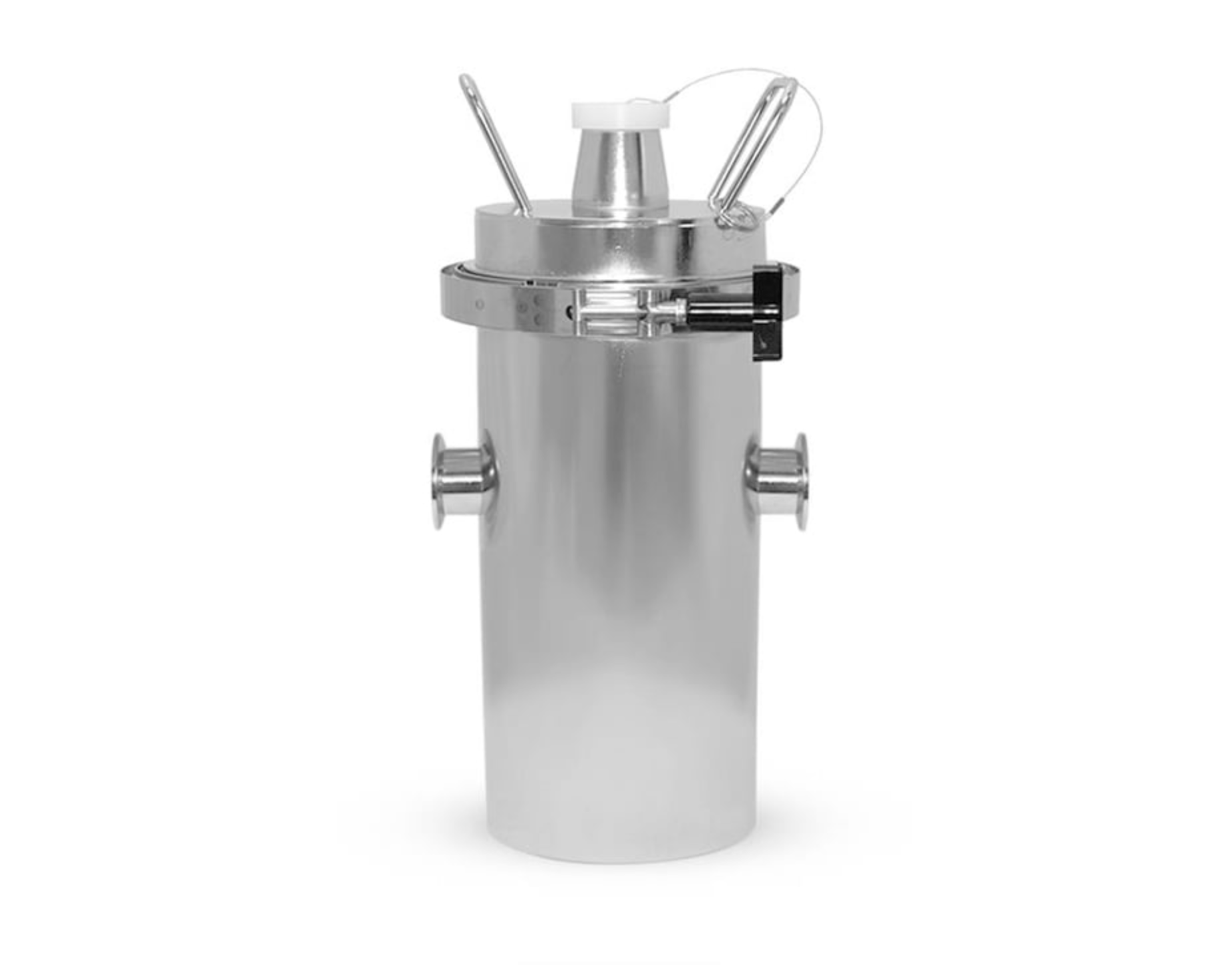
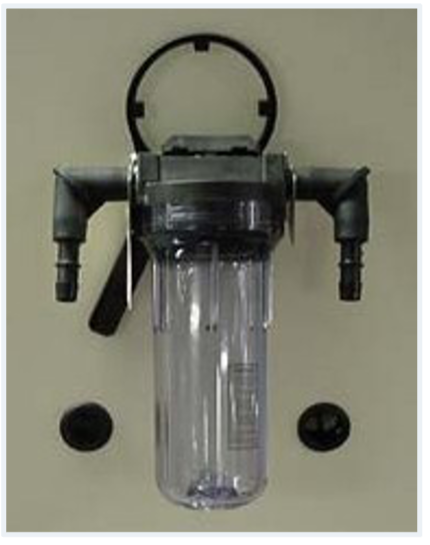
The bulk of organic solvents will typically be removed early during the freeze-drying process.
By accounting for freezing behavior, thermal limits, annealing, and solvent effects, a freeze-drying cycle can be constructed to safely remove water from a product.
In the next article, this cycle will be applied to the actual drying process through primary and secondary drying.