




Proteolysis Targeting Chimeras (PROTACs) were first conceptualized around 20 years ago and are transforming drug discovery. Before PROTACs, many disease-causing proteins were considered “undruggable,” and traditional small-molecule inhibitors could only block protein activity rather than remove harmful proteins entirely. The ability of PROTACs to harness the body’s ubiquitin-proteasome system to selectively degrade target proteins has opened new avenues in cancer therapy and other complex diseases, offering more precise and durable therapeutic effects.
Despite their promise, challenges remain in designing effective PROTACs, as issues such as specificity, stability, and delivery can limit their success. Modern research is therefore increasingly focused on several interconnected challenges:
- Structure-based design to improve specificity and potency
- Developing conditional PROTACs, including light-activated molecules
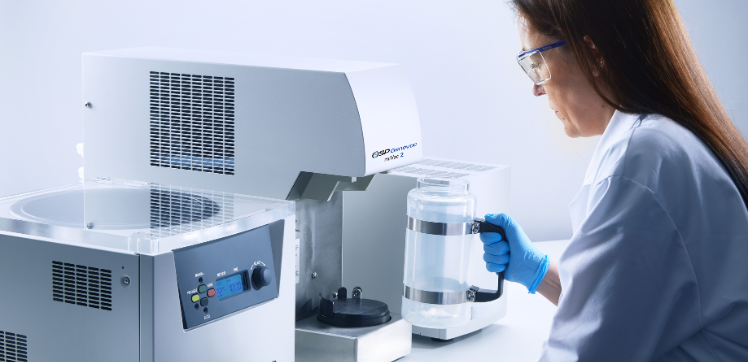
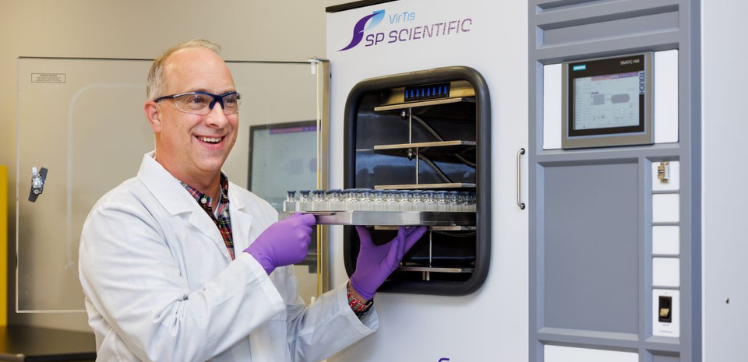
- Efficient laboratory workflows for compound preparation and testing
- Preserving bioactivity during solvent removal and handling
Discovering and developing new PROTACs requires sophisticated scientific methodologies and remains time-intensive and costly. Companies and research teams are overcoming these obstacles, leveraging advanced workflows and technologies to accelerate the discovery of novel therapeutics that can target previously inaccessible proteins.